Is Manuel Antonio Worth Visiting In Costa Rica?
An honest assessment of Manuel Antonio: what the area offers, who it suits, what it costs, and the tours that make the trip pay off.
Yes, for most first-time visitors, because the area concentrates a national park with roughly 352 recorded bird species and 109 mammals, swimmable beaches, mangroves, and a dense tour market into a compact strip 7 km from Quepos. The honest caveat: it is also very busy on peak days, so the visit rewards planning and punishes arrival without a ticket or a plan.
That is the short version. The longer version is what this article does: weigh what the area actually offers against its known irritations, say plainly who it suits and who should skip it, and price the whole thing from real listing figures rather than brochure optimism. The park itself is small enough that a guide association runs walks from 7:00 am to 2:00 pm and still fits afternoon and seasonal night departures around the official hours. The town behind it, Quepos, supplies the marina, the bus terminal, and most of the lodging logistics. Between the two runs a single road that everyone warns about, and rightly so, because in high season it slows to a crawl.
The question people are really asking, once they type it into a search box, is whether Manuel Antonio justifies the detour from the San Jose loop, or the extra nights, or the crowds it is famous for. The answer depends on three things: what you want from a beach-and-forest destination, what season you arrive in, and whether you are willing to book a few things ahead. The tour market here is unusually deep for a town of this size, from a $23 group walk to a $158.20 zipline-and-canyoning combo, and the quality of those tours is a big part of why the answer leans yes.
What Makes Manuel Antonio Worth The Trip?
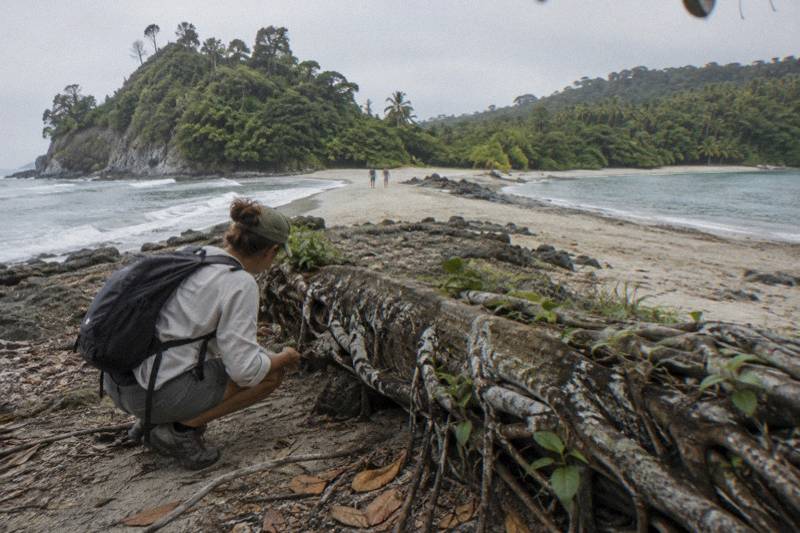
The concentration is the argument: a protected rainforest meeting the ocean, three beaches inside the park boundary, roughly 18 hectares of mangrove, and a recorded 109 mammal species, all reachable on foot or by a short drive from a single base. Few places in Central America put that mix inside one morning's walk.
Start with the park, because everything else in the area grew up around it. Manuel Antonio National Park is open Wednesday to Monday, 7:00 am to 3:00 pm, and closed every Tuesday, a detail that catches out a remarkable number of itineraries. Tickets are sold only through the official SINAC online portal, shown with an identity document at the gate, and valid once. Foreign adults pay $18.08 including IVA, children 2 to 12 pay $5.65, and under-2s enter free. There are no on-site sales, so a Tuesday arrival or a ticketless Saturday morning ends at the gate.
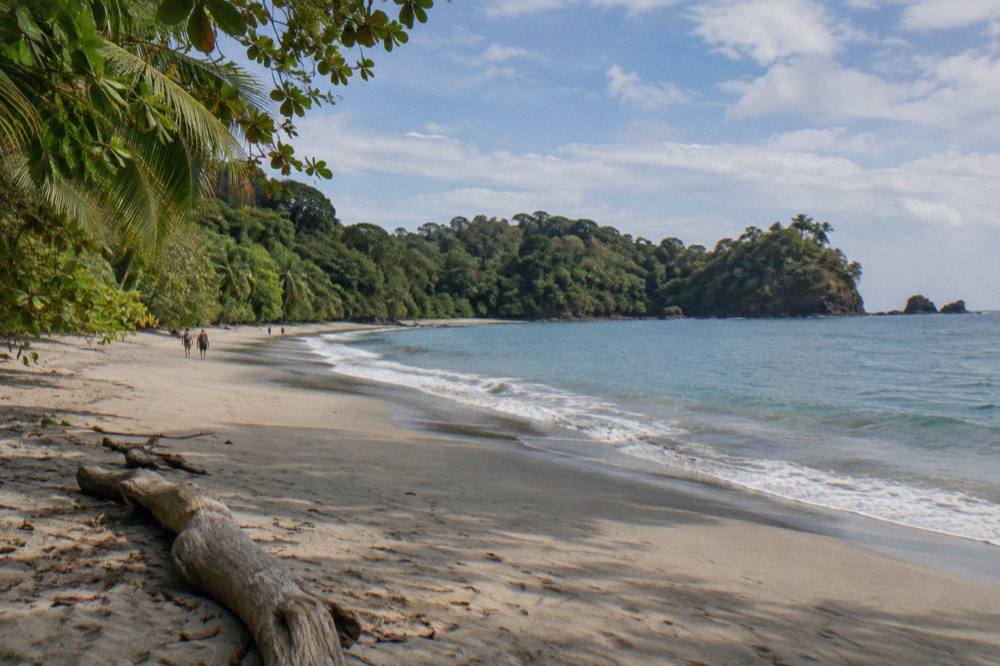
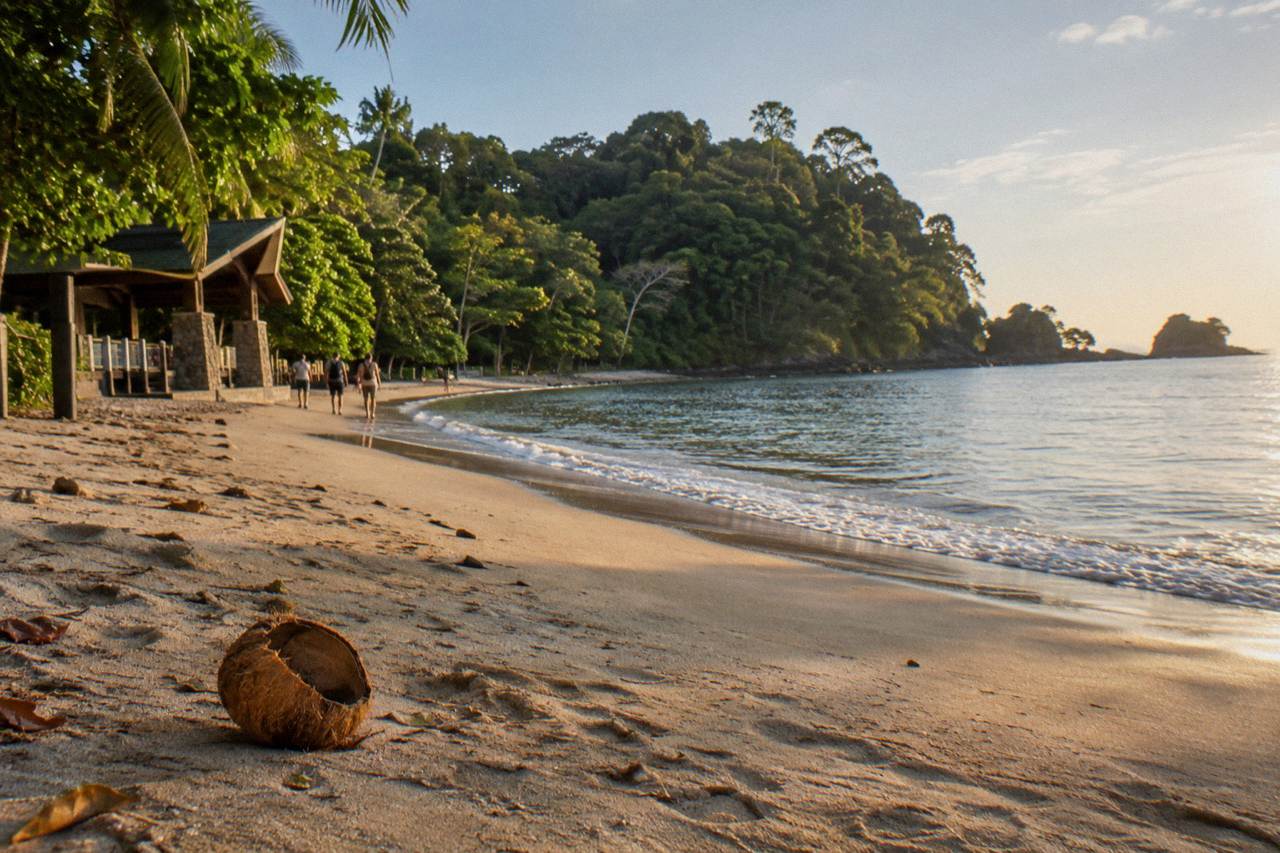
What you get inside is a forest that comes down almost to the waterline. Playa Manuel Antonio, the main beach inside the park, has snorkeling at its sides and marine life along the rocks; Playa Espadilla Sur is wider at low tide and generally less crowded; Playa Gemelas is split in two by a rock formation. The English page of the official park site notes that the Punta Catedral trail is temporarily closed, so build your expectations around the viewpoints and beaches that are open rather than the trail that appears in older guidebooks.
The wildlife is the reason most people come, and the honest framing matters here. Sloths, white-faced capuchins, howler monkeys and the titi monkey, the park's emblem species, are routinely reported on guided walks, but nobody can promise a sighting, and anyone who does is selling you something other than a walk. A guide with a spotting scope changes the experience completely: the difference between a green wall of leaves and a park with animals in it is often a scope pointed at a motionless shape 30 meters up. That is the practical case for the guided options over a solo ticket, and the guides comparison page breaks down the eight park listings side by side.
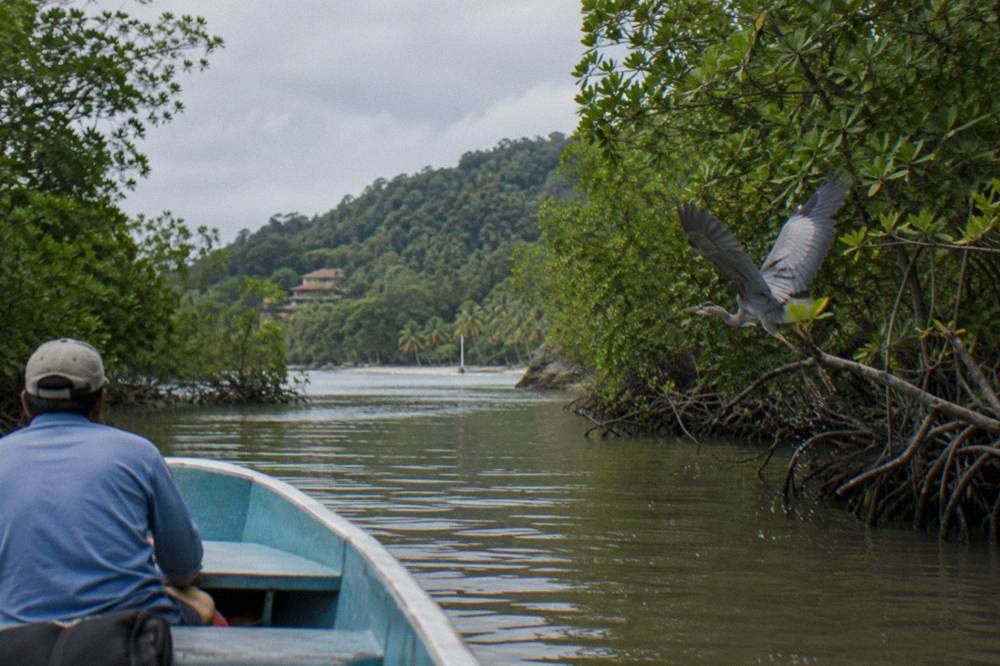
Beyond the park gate, the area keeps going. The Damas Island mangrove sits just north of Quepos and carries five listings of its own, from a 2-hour kayak to a 4-hour boat tour with lunch. The tour lineup adds two rafting rivers, three zipline and canopy listings, ATV routes to waterfalls, and a full-day trip to Nauyaca Falls. The sea side runs out of Marina Pez Vela in Quepos, whose official site lists catamaran and sailing trips among its regular departures. You could fill four full days without repeating a category, which is the quiet argument for the destination's value.
Who Is Manuel Antonio Right For?
It suits first-time visitors, families, and anyone who wants wildlife and swimming in the same day without long drives or hard logistics. It suits less well the traveler chasing remoteness, long empty trails, or a low-budget independent trip, because the park's rules, ticketing, and crowding all push you toward guided, pre-booked experiences.
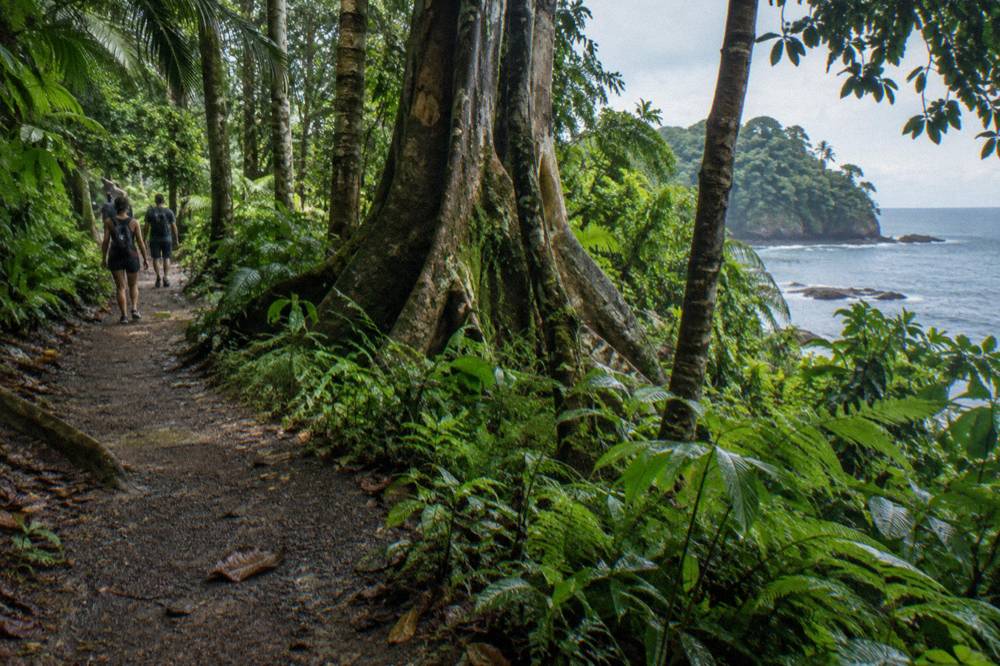
The family case is strong. The park's main draws are short walks and beaches rather than strenuous hikes, and the tour lineup leans toward small, forgiving formats: a 2-hour wildlife and beaches walk from $27 per person with beach time built in, a sloth and primate sanctuary visit from $70 per person, a 2-hour 40-minute jungle night tour from $58 per person with flashlights and transport listed. Group-size caps appear on several listings, up to 12 on one mangrove kayak, up to 15 on the mangrove boat night tour, up to 20 on a Nauyaca swim tour, which keeps the family experience manageable. Age limits, weight limits and kid pricing are set per operator: check the listing rather than assuming.
The wildlife-first visitor is the other natural fit. Somebody whose whole trip is built around seeing a sloth or a titi monkey should be here with a guide on the first morning, and probably again at night on one of the four after-dark listings, because the forest's cast changes completely after sunset. The night walking tour with a naturalist, rated 4.9 from 336 reviews and from $55 per person, runs on a private reserve with entrance fee, flashlights and optional hotel pickup listed, which is typical of the format: most bookable night walks run on private reserves, while the park's own guide office runs night tours only Wednesday to Friday in the November to April season.
The mismatch cases are real too, and pretending otherwise would make this a brochure. If you want solitude, September and October bring fewer visitors, per the official park guidance, but the rest of the year the main beach and the entrance road are busy, full stop. If your budget is built around independent travel, note that the park's online-only ticketing, the Tuesday closure, the no-parking situation and the ban on bringing food past the entrance all nibble at the self-guided model, and that guided listings start at $23 per person. And if you are here mainly for the beach, the free public beaches outside the park are genuinely good, as the beaches guide details, but the town's core product is the forest-and-water combination, not a beach resort scene.
What Are The Downsides You Should Know?
The three honest downsides are crowding in dry season, the single congested road between Quepos and the park entrance, and a park rulebook that removes on-the-fly flexibility: online-only tickets, no food or drink inside beyond the designated area, no pets, and a hard closure every Tuesday. None of these are dealbreakers, but all of them reward being booked and scheduled before you arrive.
Crowding first. The park's own guidance says to arrive early, and September and October are called out as the lower-visitor months of the rainy season. Flip that around and you get the implication: December through April, the dry season, is when the entrance path and Playa Manuel Antonio are at their densest. The mitigation is time-of-day, not avoidance. The gates open at 7:00 am; the first guided walks leave at 7:00 am; by mid-morning the experience has changed character. The most reviewed listing in the area, the four-hour park nature guided tour, rated 4.8 from 4,590 reviews and from $49 per person, includes a spotting scope, and its 4-hour span covers the quiet hours properly.
Second, the road. The main entrance sits 7 km east of Quepos on a single road that the official park information describes as very busy in high season, with no vehicle parking inside the park. This is a walk-in, shuttle-in, or hotel-pickup-in destination. It also explains why pickup is such a meaningful line item on this site: the listings that flag hotel pickup, like the sailing trip with lunch and open drinks, from $95 per person, or the Savegre rafting with a waterfall stop, from $129.95 per person, remove the parking question entirely.
Third, the rules. The official list for the park prohibits entering with food or beverages of any kind outside the designated area, feeding animals, pets, alcohol, smoking, fishing, umbrellas, tents and hammocks; soap and shampoo are not permitted in the showers, and sandals are not recommended footwear. The manzanillo tree on the beach is toxic, a detail worth knowing before you let children wander. None of this is oppressive, but it all lands harder on a visitor who arrives at 11 am on a Saturday with a cooler and no ticket. The what to bring guide was written for exactly this failure mode.
One more practical note for drivers: the public works ministry announced on 30/09/2026 roughly $35 million in slope-stabilization and bridge works along Ruta 34, the coastal highway, including bridge interventions at Parrita and Savegre on the approach to Quepos. The announcement describes ongoing strategic works with no specific closures or alerts attached for the Quepos stretch, so treat it as background, not a warning, and check current conditions before a long drive.
What Does It Cost To Visit Manuel Antonio?
Counting the park ticket, one guided tour, and one boat or adventure trip, a two-day Manuel Antonio core is built from a small set of firm figures: the park entry is $18.08 including IVA, park tours run from $23 to $49 per person, catamarans from $86 to $148, and adventure trips from $85 to $158.20, all firm listing prices. Add those you choose and the budget lands where your picks put it.
The table below pulls the real endpoints from the listings so you can budget without guessing. These are firm catalogue prices per person, not market snapshots, and each is attached to a specific bookable listing.
| Category | Cheapest firm listing | Top of range | What changes the price |
|---|---|---|---|
| Park guided walk | $23, ticket-included option, 2 to 2.5 hours | $49, 4-hour nature specialist tour | Duration, ticket inclusion, group format |
| Night and wildlife | $55, naturalist night walk, 2 to 2.5 hours | $70, sloth and primate sanctuary, 2 hours | Reserve entry, sanctuary access |
| Mangrove | $65, kayak or wildlife boat, 2 hours | $75, Damas boat with lunch, 4 hours | Boat versus kayak, meal inclusion |
| Catamaran and sail | $86, all-inclusive catamaran, 3 to 4 hours | $148, wooden sail yacht with watersports, 4 hours | Vessel type, bar and meal inclusions |
| Adventure | $85, 3-hour ATV with meal | $158.20, zipline and canyoning combo, 6 hours | Activity count, duration, lunch |
Two budget notes that are easy to miss. Several park listings exclude the national park ticket even though the walk itself is included: the ticket-included options exist precisely to bundle this, and the cheapest of them, from $23 per person, is often better value than the bare walk once you add the $18.08 entry. Second, the free-cancellation flag appears on almost every listing on this site, which matters in green season, when an afternoon thunderstorm can reshuffle a day; the IMN subseasonal outlook in late October 2026 pointed to drying conditions establishing the Central Pacific dry season between mid and late November, so shoulder-month plans benefit from flexible bookings. Check each listing's own cancellation terms rather than assuming.
For the fuller price picture across all 35 listings, including which ones bundle meals and pickup, the tour prices guide carries the complete breakdown.
How Many Days Do You Need?
Two full days is the honest minimum for a satisfying visit: day one for the park with a guide plus a beach hour, day two for one water or adventure trip, with a night tour slotted into either evening. Three days lets you add a mangrove morning or a Nauyaca Falls full day without rushing, and one day is enough only if you accept skipping either the forest or the sea entirely.
The one-day version works, barely. A morning park walk, the most reviewed being the 4-hour nature specialist format, followed by an afternoon on Playa Espadilla or Espadilla Sur inside the park, or the free public beach outside it, covers the essential pairing of forest and sand. The cost is that you leave the mangroves, the catamarans, the rafting rivers and the night forest unseen, which is most of what distinguishes this area from any other beach town on the coast. The how many days blog post works through the same question in more detail.
Day two is where the listings earn its keep. The obvious pairing is sea or river: an all-inclusive catamaran from $86 per person with lunch, juices and hotel pickup listed, or the Savegre rafting trip from $129.95 with lunch, snacks and pickup on selected hotels. A third day opens the mangrove side, where the Damas Island boat with lunch, rated 4.9 from 2,910 reviews and from $75 per person, is the area's second most reviewed listing and a completely different ecosystem from the park.
Season affects the day count less than you would think. Rainfall climbs steeply from about 157 mm in April to over 500 mm in September and October, and the sea holds roughly 28 to 29 degrees C year-round, so swimming never goes off the menu. What changes is the shape of the day: green season mornings are typically dry and afternoons wet, which argues for park-and-beach early and boat-or-ATV later, and for keeping the sunset timing in mind, since sunset runs from about 5:10 pm in November to about 6:00 pm in July. Humpback watching adds a seasonal draw: the southern group is reported off Quepos from roughly July to early November, peaking August to September, and the northern group from December to March or April, never guaranteed, but a reason some visitors time their days around a boat trip.
Worth saying plainly, because it is the through-line of this article: the question "is it worth it" resolves into "which of these tours is worth it to you". The park nature guided tour is the anchor, the catamaran and the zip line are the two most common add-ons, and the verdict for most itineraries is that two or three of these, booked ahead with the ticket and the Tuesday closure in mind, turn a crowded small park into the highlight of a Costa Rica route.
If your answer is leaning yes, these are the three listings that fit the widest range of visitors.
Common Questions About Visiting Manuel Antonio
Is Manuel Antonio Worth Visiting In Costa Rica?
Yes for most visitors. The area pairs a wildlife-dense national park with swimmable beaches, mangroves and a tour lineup from $23 to $158.20 per person, all within 7 km of Quepos. It is worth it if you book ahead and arrive early; it disappoints travelers chasing solitude in dry season.
Is Manuel Antonio too crowded to enjoy?
Crowds are real from December to April and on weekends, but they concentrate mid-morning onward. The park opens at 7:00 am, and official guidance says arrive early; September and October have fewer visitors. Early entry plus a guide with a spotting scope keeps the experience good even on busy days.
Can you visit Manuel Antonio without a tour?
Yes, with a pre-purchased online ticket, but several things push toward a guide: tickets are online-only, the park closes Tuesdays, no food is allowed inside, and wildlife spotting without a scope is much harder. Guided walks start from $23 per person, and the ticket-included options often beat buying separately.
How many days should you spend in Manuel Antonio?
Two full days covers the park plus one boat or adventure trip. Three days adds a mangrove morning or the Nauyaca Falls full day without rushing. One day works only if you skip either the forest or the sea.
What is the best time of year to visit?
Dry season, roughly December to April, gives the most reliable weather and the most crowds. Green season, May to November, brings fewer visitors, afternoon rain, and the southern humpback group is reported off Quepos from roughly July to early November, peaking August to September, never guaranteed.
Is Manuel Antonio good for families with kids?
Generally yes: short walks, calm beach options inside the park, and small-group tour formats, with caps such as up to 12 on a mangrove kayak or up to 15 on a mangrove night boat. Age limits, weight limits and child pricing vary by operator, so check the listing for each trip before booking.