What To Bring On A Manuel Antonio Tour: Gear, Clothes And Cash
Packing for a tour in Manuel Antonio comes down to three things: the heat, the rain, and the park rules about what you may carry inside. Here is what to bring for each kind of tour on this coast.
Short answer
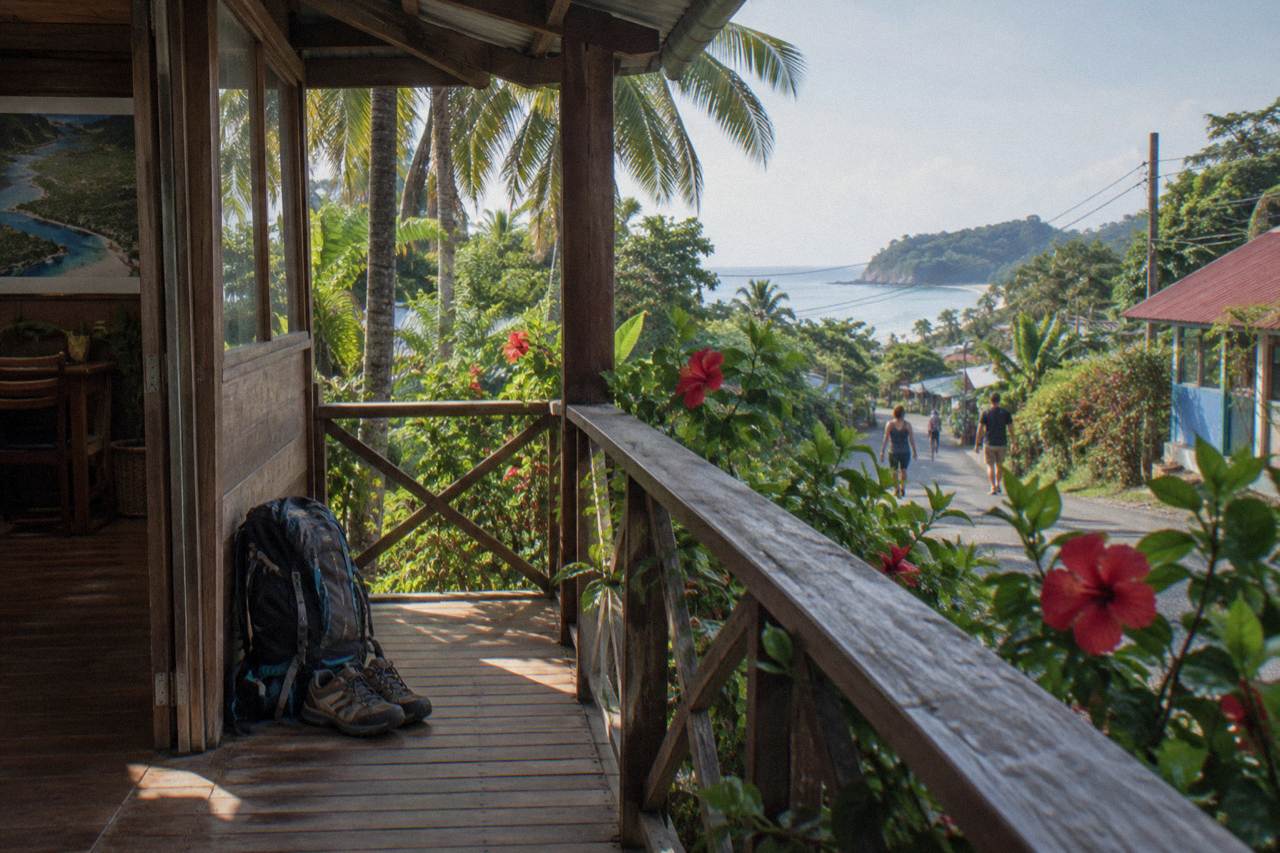
Bring closed-toe walking shoes, a refillable water bottle, reef-safe sunscreen, insect repellent, a light rain layer in green season, and cash for items the tour price excludes. Foreign adults pay $18.08 including IVA for the park ticket, children 2 to 12 pay $5.65, and tickets are sold only online in advance through the official SINAC portal.
Heat, sudden rain and a national park with strict rules about food and drink: packing for a tour around Manuel Antonio is less about gear volume and more about matching the bag to the trip. A walk in the park needs different things than a catamaran afternoon or a day on the Savegre River. This guide works through the sub-questions travelers actually ask, with the park's official rules, the coast's weather patterns, and what each tour listing on this site includes or leaves for you to carry.
What Should You Pack For A Manuel Antonio Tour?
Pack a small daypack with closed-toe shoes, a refillable water bottle, reef-safe sunscreen, insect repellent, a hat, a light rain layer and cash for anything your tour excludes. Park tickets are never sold at the gate; foreign adults pay $18.08 including IVA online, children 2 to 12 pay $5.65, and under-2s enter free.
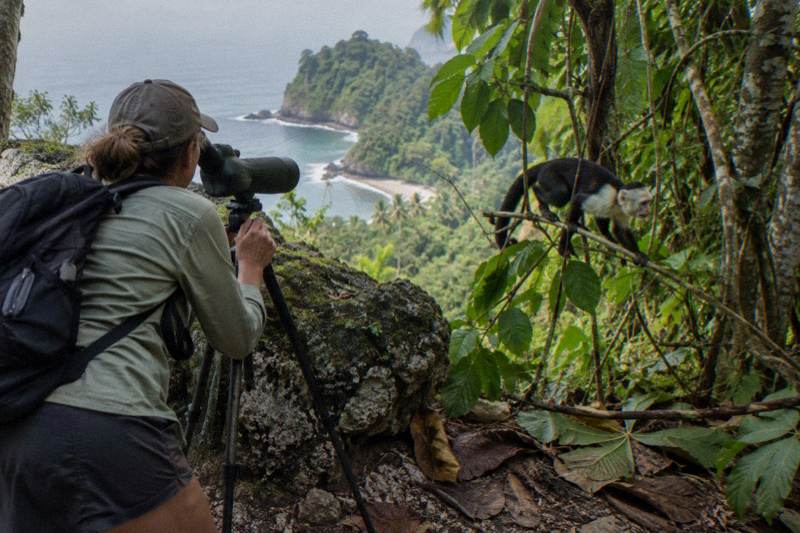
The remainder is tailoring. The most reviewed tour on this site, the park nature specialist tour, runs 4 hours from $49 per person, includes snacks, a spotting scope and an air-conditioned vehicle, and lists free cancellation, but the park ticket is excluded, so your ticket and your ID are the two items only you can provide. Many shorter guided walks from $27 per person make the same split: guide and scope included, admission sold separately.
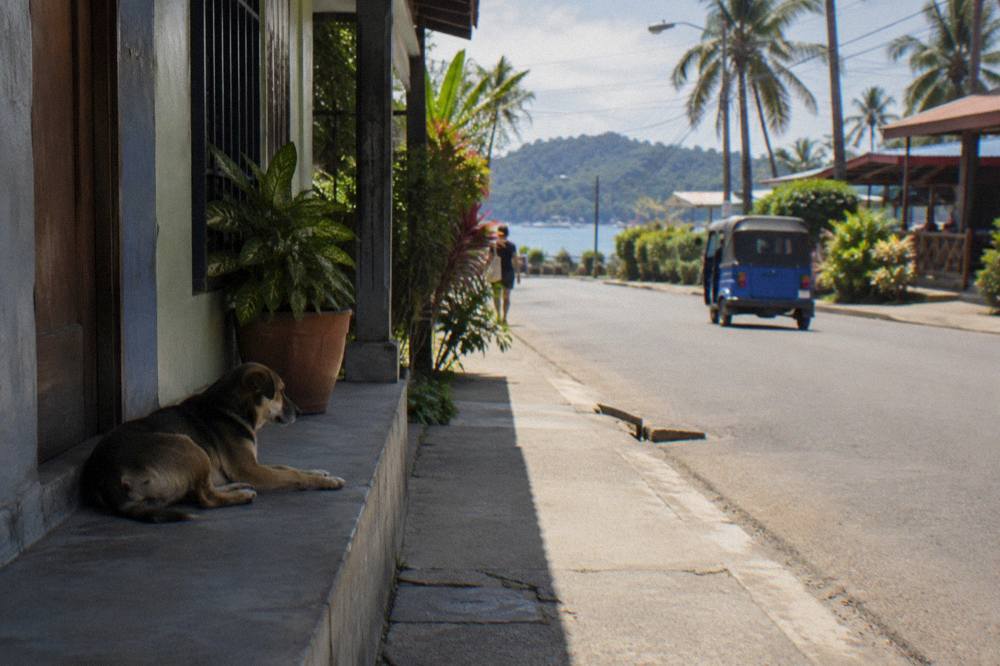
Two site-specific notes shape the rest of the list. First, the park lies inside the tropics at about 9 degrees north, so sea temperature stays between about 27.7 and 29.4 degrees C year-round and daytime heat is a constant, whatever the season. Second, official park rules prohibit entering with food or beverages of any kind, subject to conditions set by park administration, so your usual trail snacks belong on the bus or in a locker, not in your daypack. The broader planning picture is in the guide to everything to do in Manuel Antonio, which pairs each activity with what it demands of you.
| Item | Why it matters here | Applies to |
|---|---|---|
| Passport or ID | Ticket is valid once and shown with identity document | Park tours |
| Online park ticket | Sold only via the official SINAC portal, never at the gate | Park tours without included ticket |
| Closed-toe shoes | Park page says sandals not recommended on trails | Park, ATV, horseback |
| Refillable water bottle | Drinking fountains exist on Perezoso trail and beach trails | Park tours |
| Reef-safe sunscreen | Marine park waters; reapply often in equatorial sun | All tours |
| Insect repellent | Humid forest and mangrove environments | Park, night, mangrove tours |
| Light rain layer | Green season afternoons bring heavy showers | All tours, May to November |
| Cash, small bills | Gratuities, locker rental, excluded fees | Most tours |
What Footwear And Clothing Work Best On Manuel Antonio Trails?
Wear broken-in closed-toe walking shoes and light, breathable clothing that dries fast; the official park guidance says proper footwear is expected and sandals are not recommended. Add a swimsuit under your clothes for park tours that end with beach time, and a hat with a brim for exposed sections of trail.
The footwear line comes straight from the park's own rules, and it matters more than visitors expect. Trails here mix compacted earth, root steps and, in green season, mud and standing water. A shoes-off beach stop is a standard ending on several listings: the 2-hour wildlife and beaches walk, from $27 per person, includes beach time to swim after the tour, so a quick-dry outfit and a swimsuit worn underneath save a changing-room hunt. If your day is built around sand and swimming rather than trails, the Manuel Antonio beaches guide breaks down which coves suit which plans.
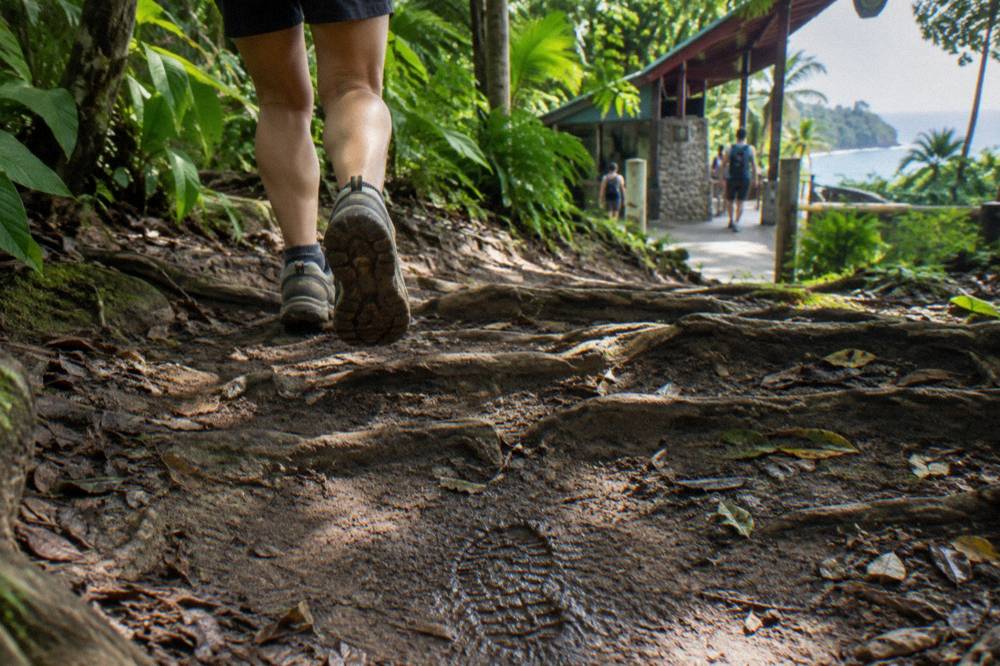
Clothing logic follows the sun. The park is open 7:00 am to 3:00 pm, closed Tuesdays, and September and October see fewer visitors, so early starts are both cooler and quieter. Long, loose sleeves beat sunscreen on forest sections where the canopy blocks reapplication, and a rash top is more useful than a t-shirt for snorkeling stops on boat trips. One clothing item you can leave at home: anything you would need to iron. With about 3,571 mm of rain across a typical year and humidity that never really lifts, everything on this coast agrees with fabric that forgives.
| Tour type | Footwear that works | Clothing notes |
|---|---|---|
| Park guided walks | Broken-in closed-toe shoes | Quick-dry layers, swimsuit underneath |
| Catamaran and sail trips | Sandals with grip | Swimsuit, rash top, cover-up |
| Mangrove boat and kayak | Sandals or water shoes | Hat, long sleeves for sun |
| Rafting | Secured sandals or water shoes with straps | Swimsuit under quick-dry clothes |
| Zipline and canyoning | Closed-toe shoes | Long shorts or trousers for harness comfort |
| Night walks | Closed-toe shoes | Long sleeves and trousers for insects |
How Do You Keep Gear Dry On Boat And Mangrove Trips?
Bring a dry bag or at minimum a zip-seal plastic pouch for phone, passport copy and cash on any boat trip, plus a towel and a change of clothes for after swimming. Most catamaran listings include snorkel equipment and drinks, but none of them include towels, and salt spray reaches seats you would swear were safe.
Dry storage is the single most under-packed item on this coast. The sailing trip with lunch and open bar, from $95 per person and rated 4.7 from 653 reviews, includes beverages, lunch, snacks, unlimited drinks, snorkel gear and hotel pickup in the Quepos and Manuel Antonio hotel zone, but excludes beer and gratuities. The all-inclusive catamaran from $86 per person lists towels as excluded too. A trash-compactor-grade bag inside your daypack costs a few dollars and does the job of a specialty dry bag for a half-day trip.
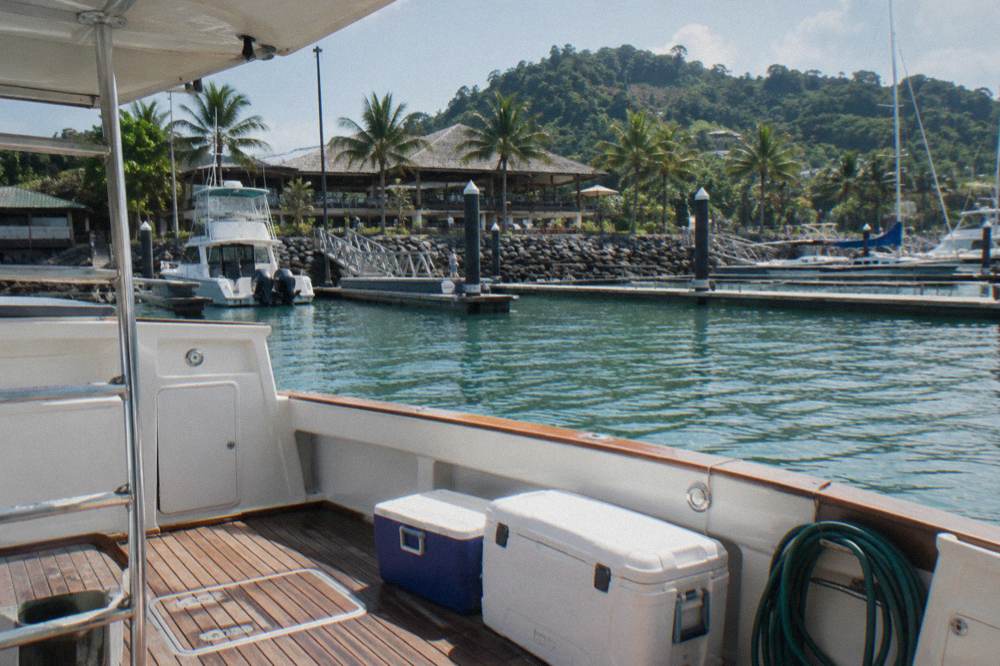
Mangrove trips deserve the same treatment even though they are calmer water. The Damas Island mangrove boat tour, from $75 per person and rated 4.9 from 2,910 reviews, includes lunch, water and the boat with captain, but boarding is by small vessel where a wave or a misplaced step soaks a bag fast. For the fuller picture of these trips, see the Damas Island mangrove tour guide. Whatever the boat, pack as if everything will get wet, and be pleasantly surprised.
| Boat listing | From (per person) | Rating and reviews | Towel included | What to pack yourself |
|---|---|---|---|---|
| Sailing with lunch and open bar | $95 | 4.7 from 653 | No | Towel, dry pouch, sunscreen |
| Sea Quest catamaran | $95 | 5.0 from 231 | Not listed | Towel, dry pouch, hat |
| All-inclusive catamaran | $86 | 4.6 from 636 | No | Towel, cash for beer at $4 a can |
| Ocean King catamaran | $86 | 4.4 from 316 | Not listed | Towel, dry pouch |
| Damas mangrove boat, lunch included | $75 | 4.9 from 2,910 | Not stated | Dry pouch, repellent, binoculars if you have them |
After that table, a note on phones: many guides sell photo packages as a separate item, so decide before boarding whether your own camera in a dry pouch is your plan or whether you will buy the operator's. Check the listing for the photo-package price rather than assuming.
How Much Water And Sun Protection Do You Need On The Central Pacific Coast?
Carry at least one liter of water per person for a half-day tour and reapply sunscreen every two hours; equatorial UV through broken cloud is strong enough to burn on overcast mornings. A hat, sunglasses and lip balm with SPF finish the kit, and insect repellent matters more in the forest than on the water.
The hydration math is simple: park tours run 2 to 4 hours in heat that sits in the high 20s to low 30s Celsius most of the year, and the park's own guidance places drinking fountains only on the Perezoso vehicle trail and the Manuel Antonio and Espadilla Sur beach trails. Do not count on buying water inside; the no-food-or-beverage entry rule means your filled bottle from the hotel is the reliable plan, finished before the gate and refilled at the fountains within. The 4-hour nature specialist tour lists snacks among its inclusions, which is one quiet argument for the longer tour on hot days.
Sun protection fails most often on boat trips, where breeze masks the burn until it has happened. Sea temperature off Quepos averages about 28 to 29 degrees C, so you stay in the water longer than you planned at Biesanz Bay snorkel stops, and reflection doubles exposure. Reef-safe formulations matter here: these are marine park waters. Repellent is the forest counterpart, applied before the walk and reapplied after swimming, since sweat and salt strip it faster than at home.
What Food, Drink And Park Rules Affect What You Carry?
The park prohibits entering with food or beverages of any kind, feeding animals, pets, alcohol, smoking, umbrellas, balls, tents and hammocks, and soap or shampoo in the showers. Plan a proper breakfast, eat before the gate, and leave the picnic behind entirely.
These rules are published on the official SINAC park page, and the food ban is the one that catches daypacks most often. The park does allow eating in a designated area between 7:30 am and 3:30 pm, so the practical routine is: breakfast at the hotel, tour first, then a late lunch in Quepos or at the designated spot if your schedule allows. Locker rental runs 7:00 am to 4:00 pm near the entrance if you arrive carrying more than the rules permit inside.
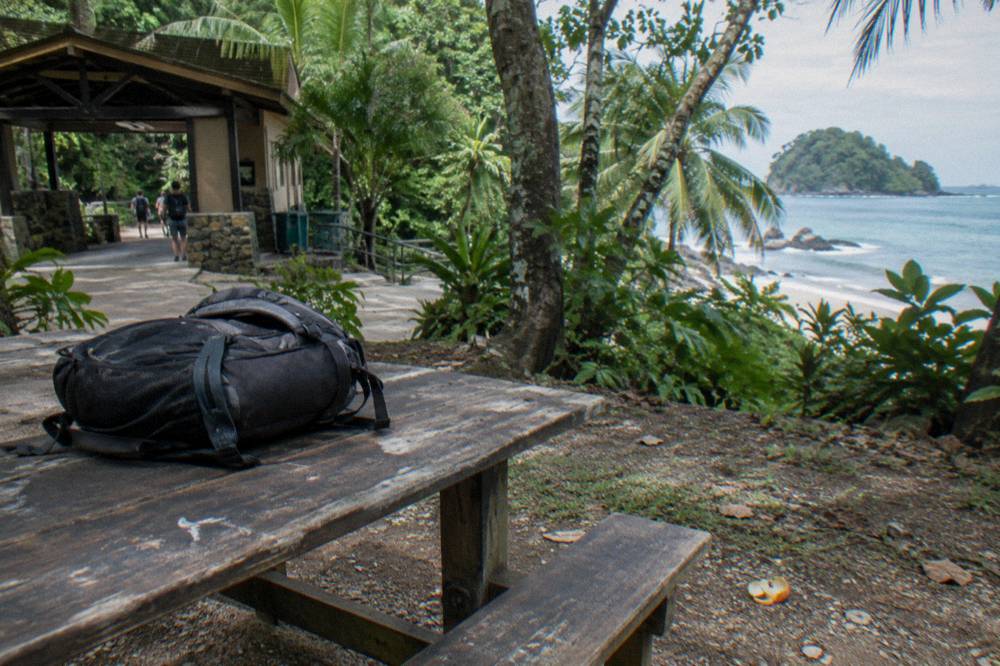
Two wildlife-adjacent rules finish the picture: never feed animals, and give the manzanillo tree on the beach a wide berth, since contact with any part of it is toxic. The titi monkey is the park's emblem species. If your day pairs the park with an evening activity, the Manuel Antonio night tours guide covers the separate kit a flashlight walk asks for, including closed-toe shoes again and repellent in force.
How Much Cash Should You Bring To Manuel Antonio?
Bring cash for gratuities, locker rental, souvenir photos and any fee your listing excludes; the park ticket itself is paid online by card through the official SINAC portal at $18.08 including IVA for foreign adults and $5.65 for children 2 to 12. Small US-dollar bills and some colones cover almost everything else.
Tickets are sold exclusively in advance at the official portal, there are no on-site sales, each ticket is valid once, and you show it with your identity document. The listings make the ticket question easy to check in advance: listings whose title or includes line says the ticket is included, such as the 2 to 2.5 hour ticket-included tour from $23 per person, cover it, while the nature specialist tour and several others list the park ticket under exclusions, so you buy your own before departure.

Gratuities are the other line worth cash. Rafting, zipline and catamaran listings routinely list gratuities and souvenir photos as excluded purchases, and the photo packages are sold at the operator's desk after the run, cash-friendly. The Manuel Antonio tour prices guide compares what each listing includes so you can predict the cash you need before you leave the hotel, and the cheapest firm-priced listing on this site starts at $23 per person, so even the value end of the market assumes a small cash buffer.
| Cash or card item | Typical amount | Where it applies |
|---|---|---|
| Park ticket, foreign adult | $18.08 including IVA, paid online | Tours without an included ticket |
| Park ticket, child 2 to 12 | $5.65 including IVA, paid online | Family park tours |
| Locker rental | Check at the entrance office | Park days with extra luggage |
| Gratuities | Cash, at your discretion | Many listings list them excluded |
| Souvenir photos | Operator's price at the desk, check the listing | Rafting, zipline, catamaran trips |
| Beer on some catamarans | $4 per can where listed | All-inclusive catamaran listing |
What Should You Pack Differently For Green Season And Dry Season?
In green season, roughly May to November, add a proper rain layer, dry bags and a spare outfit; in dry season, roughly December to April, weight sun protection and water instead. October averages about 533.5 mm of rain against January's about 45.9 mm, a tenfold difference that reorders the packing list.
Those rainfall figures come from the Quepos climate table, and they should be read as "about" rather than exact, but the pattern is stable: a dry start to the year, a wet ramp through May and June, and a peak around September and October before November dries out. The national weather service's subseasonal outlook places the expected start of the Central Pacific dry season between 13 and 30 November 2026, with predominantly dry conditions forecast into the first week of November, as reported on the official IMN forecast page.
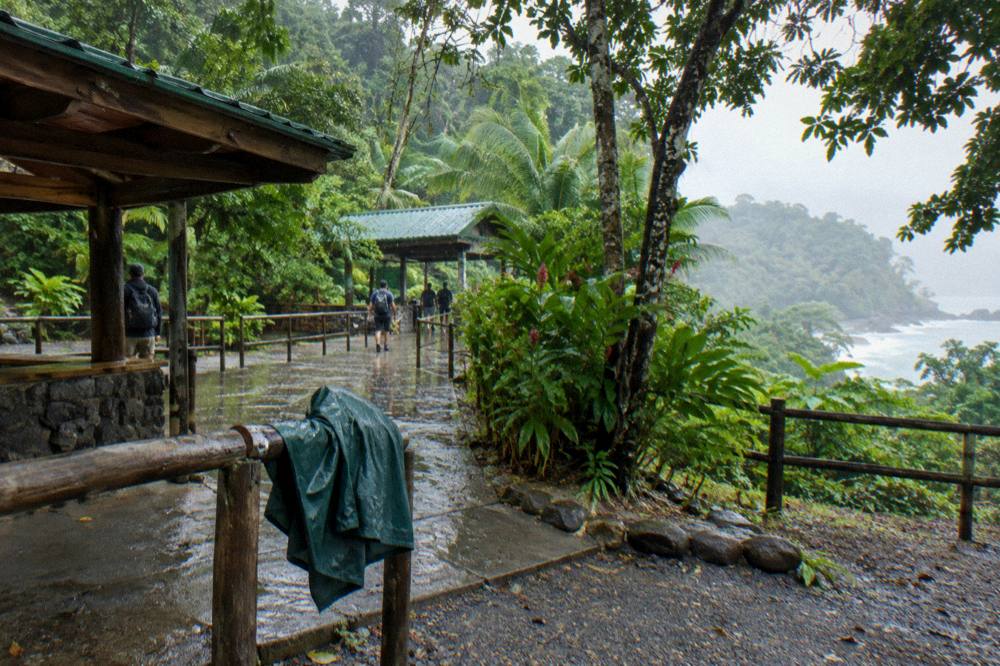
Green season packing is not about avoiding rain, it is about not being stopped by it. A poncho beats an umbrella here for a specific reason: umbrellas are on the park's prohibited-items list anyway, and a poncho works with both hands on a boat rail or a paddle. Dry bags matter double in these months, and a spare shirt in the vehicle turns a soaked afternoon back into a comfortable evening.
| Month | Average rain in Quepos (about) | Season | Packing emphasis |
|---|---|---|---|
| January | 45.9 mm | Dry | Sun protection, extra water |
| February | 25.8 mm | Dry | Sun protection, extra water |
| March | 40.0 mm | Dry | Sun protection, extra water |
| April | 156.9 mm | Dry to transition | Sun first, shell packed just in case |
| May | 389.0 mm | Green | Rain layer, dry bags, spare outfit |
| June | 413.3 mm | Green | Rain layer, dry bags |
| July | 444.9 mm | Green | Rain layer, repellent |
| August | 468.7 mm | Green | Rain layer, dry bags |
| September | 544.3 mm | Green, quieter park | Full rain kit, quick-dry everything |
| October | 533.5 mm | Green, quieter park | Full rain kit, spare clothes |
| November | 349.0 mm | Green easing | Rain layer, watch the forecast |
| December | 159.7 mm | Dry returning | Sun protection, light shell |
Dry season swaps the rain layer for sun weight: more water, higher-SPF everything, and a plan for the crowd factor, since high season fills the single Quepos to Manuel Antonio road. Sunset sits about 5:45 pm in February and about 5:20 pm in October on this coast, so late-afternoon boat trips in the drier months get golden light without a late night. The month-by-month detail lives in the Manuel Antonio weather by month guide.
What Should You Bring For Rafting, Ziplining And Adventure Tours?
Bring a swimsuit worn under quick-dry clothes, secured sandals or water shoes with heel straps for rafting, the same closed-toe shoes for ziplining, a change of dry clothes, and cash for photos, which nearly every adventure listing sells separately. Sunscreen goes on before the drive, not at the put-in.
Adventure listings are the most generous on this site about what they include, which narrows your list to personal items. The Savegre rafting trip, from $129.95 per person and rated 5 from 831 reviews, includes all taxes and fees, snacks, lunch, helmet use and hotel pickup from selected hotels, leaving only gratuities and souvenir photos to your wallet. The twin zip line canopy tour, from $95 per person and rated 5.0 from 1,685 reviews, includes lunch, equipment, fees, fruit and water during the tour, with photos and gratuities excluded. Footwear rules differ by activity, so check the listing before you pack; where a listing does not state limits on age, weight or fitness, ask the operator directly when booking.
| Adventure listing | From (per person) | Included gear | Bring yourself |
|---|---|---|---|
| Savegre rafting, waterfall stop | $129.95 | Helmet, snacks, lunch, pickup from selected hotels | Secured sandals, dry clothes, cash for photos |
| Naranjo River whitewater | $120 | Vests, helmets, paddles, snacks, vehicle | Swimsuit, water shoes, lunch plan |
| Twin zip line canopy tour | $95 | Equipment, lunch, fruit and water | Closed-toe shoes, cash for photos |
| Zipline and canyoning combo | $158.20 | All activities, lunch, snacks, pickup | Closed-toe shoes, gloves optional |
| Zipline, rappel and Tarzan swing | $90 | All activities, meals as per itinerary, pickup | Closed-toe shoes, repellent |
| 4-hour ATV rainforest and waterfalls | $124.30 | ATV, helmet, transport, fruit snack, lunch | Bandana or face cover, closed-toe shoes |
The Naranjo River whitewater trip, from $120 per person and rated 5.0 from 166 reviews, hands you snacks, a professional guide, vehicle, vests, helmets and paddles, and excludes lunch, photos and gratuities, so a packed lunch or a post-run restaurant plan belongs in your day. Zipline days run similarly: the zipline and canyoning combo from $158.20 per person includes lunch, snacks, all activities and pickup, again excluding photos and tips. The common thread is simple. Everything mechanical is covered; everything personal, shoes, suit, dry clothes, cash, is yours.
Full-day listings such as the 6-hour Savegre trip and the 7-hour Nauyaca tours take up a whole day, so pack more water and a dry layer for the ride home.
Does A Guide Change What You Need To Bring?
A guided tour shifts optics and snacks onto the operator but never your ticket, ID or water; guides carry spotting scopes and often take photos, so your own binoculars and camera are optional extras rather than essentials. The bigger packing gain from a guide is weight off your back.
The listings make this concrete. The nature specialist park tour includes a spotting scope and snacks; the naturalist-guided park tour, from $25 per person and rated 4.9 from 1,519 reviews, includes a premium high-definition spotting scope and professional pictures taken by your guide; the wildlife and beaches walk adds HD photos and videos of the wildlife found. If your goal is the frame-filling sloth shot, the guide's digiscoping setup through their scope beats most phone lenses, and on several listings the photos come as part of the package rather than the souvenir purchase they are on rafting and zipline trips.
None of that replaces the three personal items no listing carries for you: your online park ticket or confirmation, your identity document, and your water. For the deeper question of whether a guide is worth it at all, the blog piece on needing a guide for Manuel Antonio National Park works through the trade-offs, and the guided tours comparison lines up the park listings side by side. This site's own tour picker, on the Manuel Antonio Costa Rica Tours homepage, does the same across every category.
The pattern across this whole guide is worth naming once plainly: operators here include the equipment and the food they can carry, and leave you the small personal kit that decides whether the day is comfortable. Shoes, water, dry storage, sun, and the online ticket bought the night before. That combination, more than any specialty gear, is what to bring on a Manuel Antonio tour.
Common Questions About What To Bring On A Manuel Antonio Tour
What should you pack for a Manuel Antonio tour?
A small daypack with closed-toe shoes, a refillable water bottle, reef-safe sunscreen, insect repellent, a hat, a light rain layer and cash for gratuities and excluded fees, plus your online park ticket and identity document if the tour enters the park.
Can you bring food and drinks into Manuel Antonio National Park?
No. The official park rules prohibit entering with food or beverages of any kind, subject to conditions set by park administration. Eating is possible in the designated area between 7:30 am and 3:30 pm, and lockers run 7:00 am to 4:00 pm near the entrance.
Do you need water shoes in Manuel Antonio?
For the park trails, closed-toe walking shoes are the better choice; the park says sandals are not recommended. Secured sandals or water shoes with heel straps suit rafting and mangrove trips, where feet get wet at boarding.
Should you bring cash on a Manuel Antonio tour?
Yes, small bills for gratuities, locker rental and souvenir photos, which most adventure and boat listings sell as a separate purchase. The park ticket itself is paid online by card through the official SINAC portal before you arrive.
What do you wear on a boat tour in Manuel Antonio?
A swimsuit under quick-dry clothes, a hat, sunglasses and reef-safe sunscreen, with a towel and a dry pouch for phone and documents, since several catamaran listings explicitly exclude towels.
Do you need a rain jacket in the dry season?
Rarely. Dry season runs roughly December to April with January averaging about 45.9 mm of rain. A packable shell weighs little, but in these months sun protection and water deserve the space in your bag.