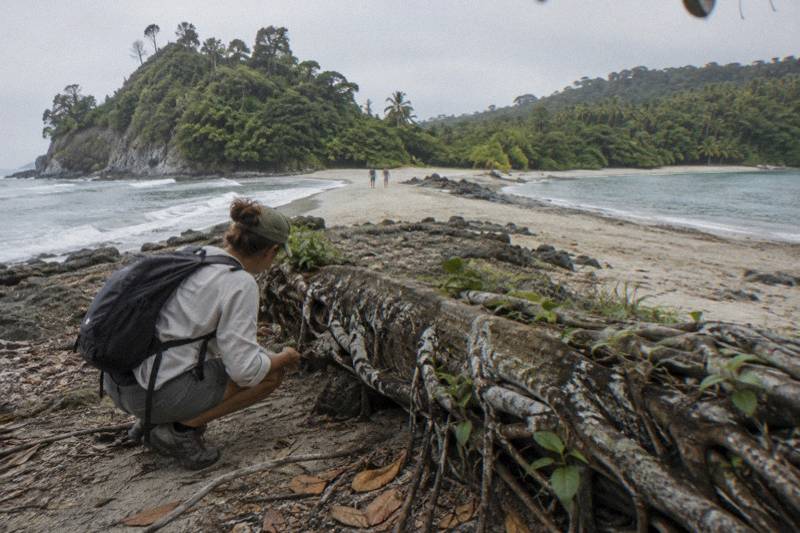
What Not To Miss In Manuel Antonio?
A shortlist of the park, boat, river and canopy highlights worth building a Manuel Antonio trip around, with prices, durations and what each listing actually includes.
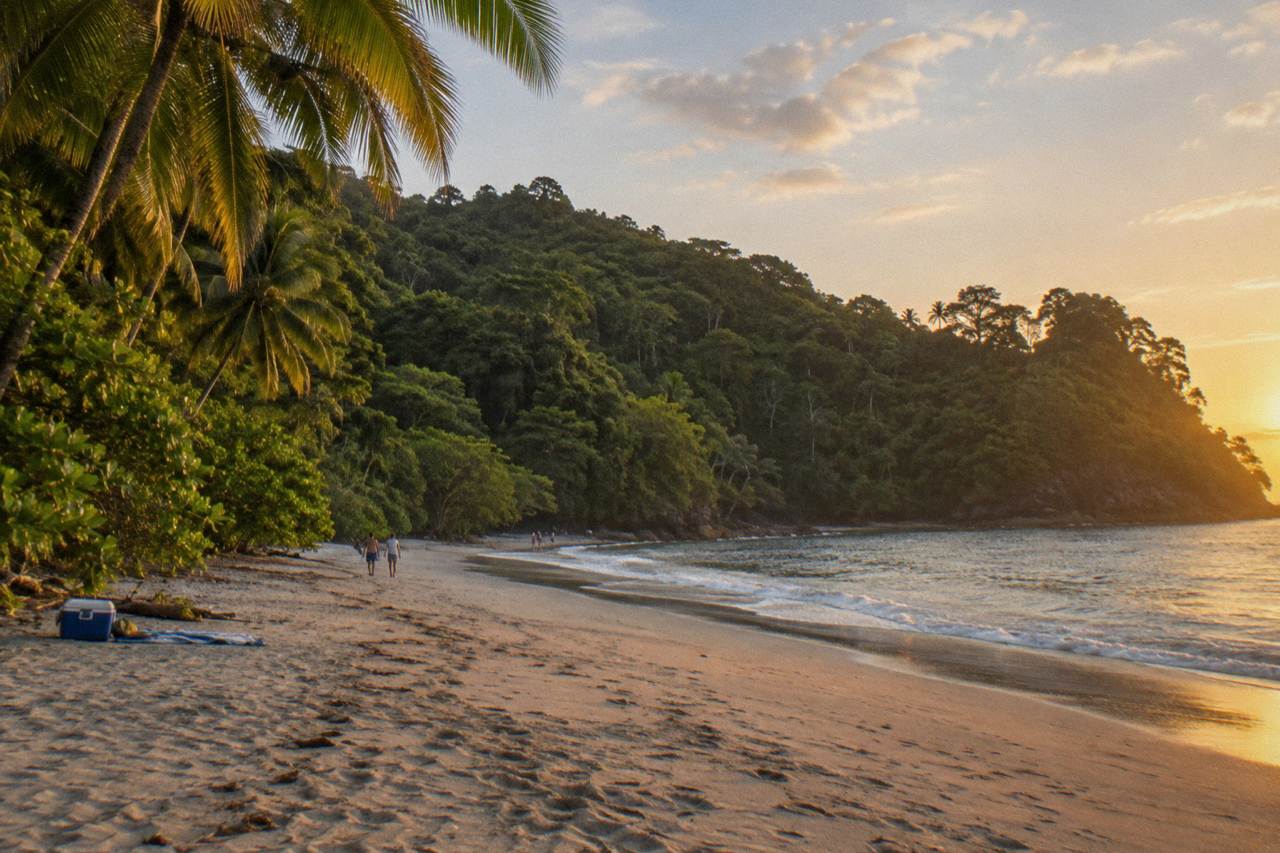
Manuel Antonio earns its reputation on concentration. A national park with roughly 352 recorded bird species and 109 mammals sits at the end of a 7 km road from Quepos, a mangrove estuary feeds out beside it, and two raftable rivers, the Naranjo and the Savegre, drain the hills an hour inland. The mistake travelers make is not missing things, it is trying to stack too many of them into too few days and spending the trip in a shuttle van.
This shortlist is built the way a planner would build it: the park first, then a day on the water, then a river day, then the canopy, with the quieter options, mangroves and night walks, filling the gaps. Every figure below comes from the tour listings themselves or from official sources. The most reviewed product in the catalogue is the park nature guided tour, rated 4.8 from 4,590 reviews, from $49 per person, and if you only book one thing, that is the argument this article will make.
The four experiences worth planning a trip around are the national park with a guide, a catamaran or sailing day along the coast, a whitewater rafting trip on the Savegre River, and a zip line canopy tour. Together they cover rainforest, ocean, river and treetops, and the listings run from $49 to $158.20 per person, so the full set is achievable on most mid-range budgets.
Start with why these four and not others. The park is the reason the destination exists; everything else orbits it. The boat day matters because the coastline here, with its coves and the Biesanz Bay snorkel stop many trips use, is only really visible from the water. The Savegre rafting trip earns its place because it is the one full-day adventure in the catalogue that combines a Class II-III river with a waterfall stop, lunch and hotel pickup in a single listing. And the twin zip line makes the list because the canopy layer, where the monkeys actually live, is the one part of the forest a ground walk cannot reach.
The order matters too. The park is a morning activity, gates open at 7:00 am and wildlife activity is highest early. Boats run morning and sunset departures. Rafting eats a full day, roughly 6 hours on the Savegre listing. So a sensible three-day shape is park on morning one, catamaran afternoon or sunset of day two, rafting on day three, with the zip line or a mangrove tour slotted wherever energy allows.
There is also a case for leaving deliberate slack. Travelers who fill every half-day with a booked activity tend to remember the trip as logistics, and the unstructured stretches, a morning on Espadilla, a slow dinner in Quepos, an unscheduled hour with the monkeys outside the park boundary, are often what a visit is actually remembered for. Treat the shortlist as a spine, not a checklist, and let the gaps do quiet work.
| Priority | Experience | Flagship listing | Price from | Duration |
|---|---|---|---|---|
| 1 | National park with a guide | Park Nature Guided Tour | $49 per person | 4 hours |
| 2 | Coast by catamaran or sail | Sailing, Snorkeling with Lunch and Open Bar | $95 per person | 3.5 hours |
| 3 | Whitewater rafting | Savegre Rafting plus Waterfall | $129.95 per person | 6 hours |
| 4 | Canopy zip line | Longest Twin Zip Line | $95 per person | 4.5 hours |
Readers building a short list pick tours from it; the three below are the ones this site would put on any first visit.
The National Park: The One Thing Everyone Agrees On
The park itself is the single unmissable item, open Wednesday to Monday from 7:00 am to 3:00 pm and closed every Tuesday, with foreign adult tickets at $18.08 including IVA and children 2 to 12 at $5.65, bought only in advance on the official SINAC online portal and valid once, shown with your identity document.
The rules are strict and worth knowing before you book anything. Tickets are online-only, there are no on-site sales, and the official page states the ticket is valid a single time and must match your ID. No food or beverages enter the park, no feeding animals, no pets, no umbrellas, tents or balls, and sandals are not recommended footwear. The official SINAC park page carries the full current rules, hours and the ticket link, and it is the only source that counts.
Going with a guide changes what the visit is. The listings carry eight separate park listings, and they are different products, not duplicates: the four-hour nature specialist tour with spotting scope at $49, shorter two-hour walks from $23 to $28, and options that bundle or exclude the park ticket. The cheapest ticket-included option is the 2 to 2.5 hour guided tour at $23 per person. What a guide adds is the scope: a sloth in the canopy is a smudge to the naked eye and a portrait through high-definition optics, and most listings include photos the guide takes for you.
One planning note that catches people out: the Punta Catedral trail is temporarily closed per the official English page, so build the walk around the Perezoso trail, the beaches and the viewpoints instead. September and October see fewer visitors, which is worth weighing if you hate crowds more than you hate rain. The deeper writeup on the park's wildlife and where it lives covers the species list in detail.
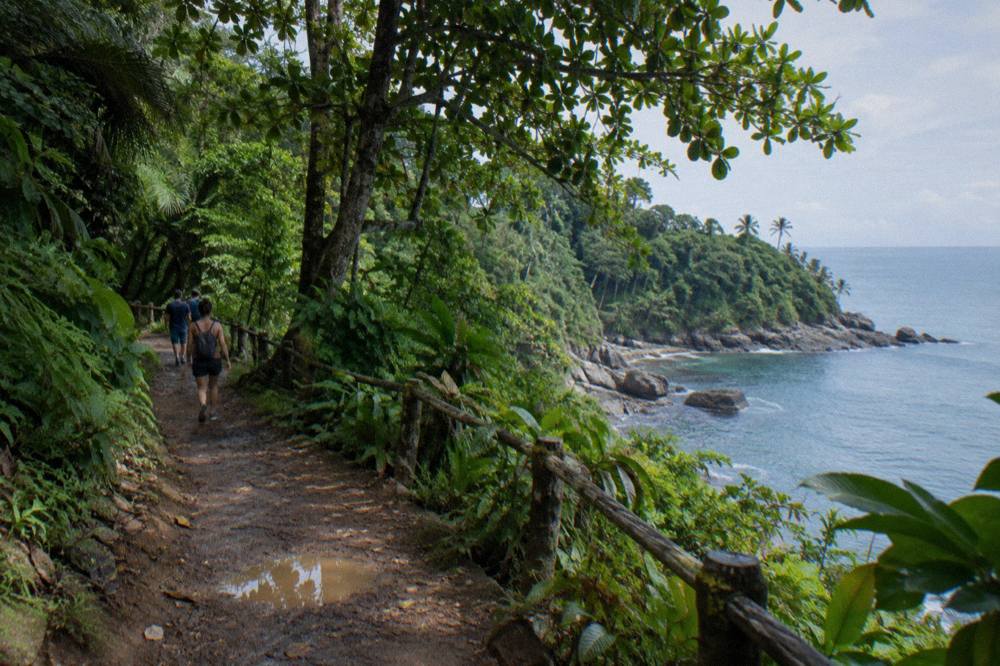
A Day On The Water: Catamarans, Sailing And Snorkeling
The coast from Quepos southward is best understood from a boat, and the catalogue runs seven sailing and snorkel products from $65 to $148 per person, six of them departing Marina Pez Vela, five listing hotel pickup and a meal, and all seven listing free cancellation. The decision is between a big catamaran with an open bar and a small wooden sailing yacht.
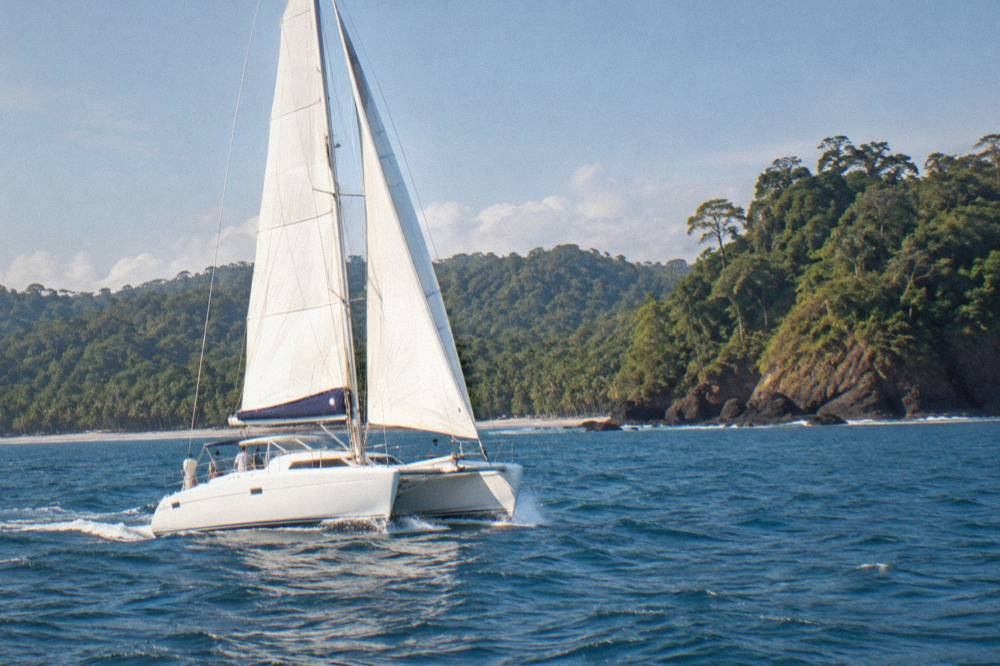
The sailing trip with lunch and open bar, from $95 per person and rated 4.7 from 653 reviews, is the default choice: 3.5 hours, snorkel gear, unlimited drinks, lunch and round-trip transport from the Quepos and Manuel Antonio hotel zone. At the same $95 price point, the Sea Quest catamaran, rated 5.0 from 231 reviews, runs 3 to 4 hours with a cooked meal on board and round-trip transportation included. The differences between the catamarans are real but modest: one includes four alcoholic drinks per person rather than an open bar, another excludes beer from its inclusive drinks, and the listing's excludes line tells you which.
The alternative is the wooden sail yacht, from $148 per person, rated 4.9 from 104 reviews, with watersports equipment, a freshly prepared early lunch or dinner and gluten-free and vegan options stated on the listing. For travelers who want the water without the boat crowd, the ocean kayak and snorkel trip to Biesanz Beach, from $65 per person, is the quieter cousin.
What you might see is season-dependent and no honest article will promise it: operators report southern humpbacks roughly July to early November, peaking August to September, and the northern group December to March or April, with dolphins possible year-round. The Marina Pez Vela activity page lists the current operators working out of the marina. If sunset specifically is the goal, the sunset cruise guide compares the departures hour by hour.
The River Day: Savegre Rafting And The Waterfall Stop
Whitewater rafting is the strongest full-day adventure on this site: the Savegre trip runs 6 hours from $129.95 per person, rated 5 from 831 reviews, with all fees, snacks, lunch, helmet use and hotel pickup for selected hotels included. The shorter Naranjo River trip is 4 hours from $120.
The Savegre listing is the one to pick for a first rafting day. It states Class II-III water, which is the moderate band: splashy and fun, with real rapids but a forgiving character, and operators adjust or cancel for safety when flows change. The waterfall stop breaks the paddle, and the meal is in the price. The Naranjo trip, rated 5.0 from 166 reviews, is the tighter half-day alternative, 4 hours from $120, with transport, snacks and gear included but lunch listed as an exclusion.
River conditions are seasonal and no listing or article can promise a level. Green season, May to November, generally means fuller water; the dry season, December to April, means lower flows. Age, weight and fitness limits are set per operator, so check the listing for your group. Anyone weighing whether the whole family fits should read the piece on whether Class 3 rapids are safe for kids before booking, and the Savegre river guide covers the run in depth.
The Canopy: Zip Lines Above The Forest Floor
The twin zip line tour, billed as the longest twin zip line in Central America, runs 4.5 hours from $95 per person, rated 5.0 from 1,685 reviews, with lunch, all fees, transport, water, fruit and bilingual guides included. Shorter and cheaper options start at $90.
The canopy is where the forest's most visible residents spend their day. White-faced capuchins, howlers and the squirrel monkeys that are the park's emblem species move through the treetops, and a platform-to-platform traverse puts a visitor at that layer for a sustained stretch rather than a craned neck on a trail. The twin zip line listing includes a full lunch, which matters when the tour occupies half a day, and GoPro-ready helmets are listed among the equipment.
Two alternatives fill different niches. The Titi canopy tour at $90 adds a rappel and a Tarzan swing in 2.5 hours. The zipline, canyoning and waterfall combo at $158.20, rated 5 from 842 reviews, is the most expensive item on this site and packs three activities plus lunch into 6 hours; it suits travelers who want one big adventure day rather than several small ones. Harness checks, guide ratios and weight limits vary by operator, and the zipline tours guide lists the questions worth asking before booking any of them.
The Quieter Side: Mangroves, Night Walks And Chocolate
Not every highlight needs adrenaline. The Damas Island mangrove boat tour runs 4 hours from $75 per person, rated 4.9 from 2,910 reviews, with lunch, transport and all fees included; night walks run from $55; and the chocolate, coffee and sugar tasting is 2 hours from $59, rated 5 from 1,161 reviews.
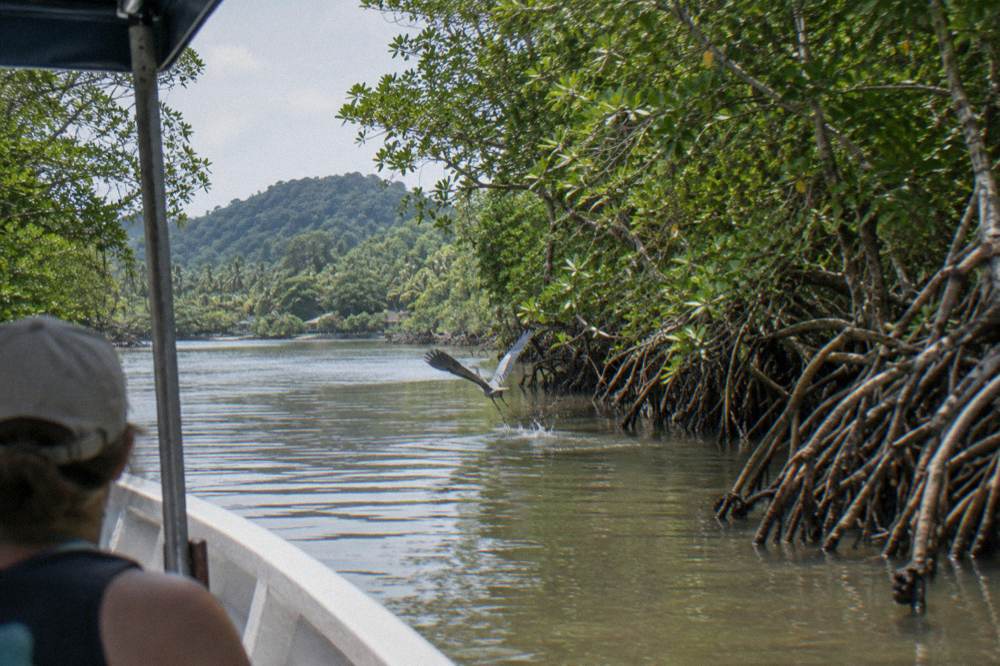
The mangroves are the underrated half of this ecosystem. The park itself holds roughly 18 hectares of mangrove, but the Damas Island estuary north of Quepos is the boat-accessible version, where the wildlife, herons, boa constrictors, crocodiles where they are reported, lives in the trees at eye level from a quiet boat. The flagship listing carries one of the largest review pools in the catalogue, 2,910 reviews at 4.9, which says something about how many visitors end up ranking it near the park itself. A kayak version also runs, from $65 per person with fruit and bottled water included, for anyone who prefers paddling to riding.
Night walks are the other gap-filler. The national park closes mid-afternoon, but private reserves around Manuel Antonio run guided night walks, from $55 to $58, three of them, plus a $65 mangrove boat by night, with flashlights and entrance fees included on most listings. This is when two-toed sloths, insects, frogs and snakes become active, and when the forest's sound changes completely. The chocolate, coffee and sugar tour rounds out a rest day: tastings, transport, and a bilingual guide, 2 hours from $59.
A rest-day strategy that works: keep the morning free, book the chocolate tasting or a mangrove boat for late morning, and keep the afternoon for the beach, which costs nothing at all, a point the free things to do guide expands on.
Which Month Changes The Answer?
The season shapes the shortlist more than any preference does. The dry season runs roughly December to April and the green season May to November; the national weather service's current outlook puts this year's Central Pacific dry-season start between 13 and 30 November 2026, and humpback watching follows a separate clock, southern groups roughly July to early November, northern groups December to March or April.
Practically: December through April is the high, dry, crowded season, best for beaches, boats and the zip line, hardest for park tickets. July through September overlaps the southern humpback peak with greener, cheaper, quieter conditions, and the operators report that window as the stronger whale months. September and October are the wettest and least visited; the official park guidance is simply to arrive early. River trips run year-round with operator-led adjustments. Check the IMN subseasonal forecast close to travel, and for the drive down, the public works ministry's Ruta 34 announcement is the official word on the road works.
The weather by month guide breaks the rain tables down month by month for anyone timing a trip precisely.
| Season | Roughly | Trade-offs for the shortlist |
|---|---|---|
| Dry, high season | December to April | Best beach and boat weather, biggest park crowds, buy park tickets well ahead |
| Green, whale overlap | July to September | Southern humpbacks peak August to September, lower crowds, afternoon rain likely |
| Wettest shoulder | September to October | The wettest months on the Quepos climate table, fewest visitors, early starts advised |
| Transition | May to June and November | Quiet, green, variable; whales low per operators |
Pulling The Shortlist Together
A first visit of three or four days fits the shortlist comfortably: park with a guide on the first morning, catamaran or sail on the second afternoon, Savegre rafting on day three, and the twin zip line, a mangrove boat or a night walk filling the remaining half-days. Add the park ticket and meals outside the tours when budgeting, since several listings exclude both.
Sequence by energy and by clock. The park demands the earliest start of anything here, and the four-hour nature specialist tour, with an air-conditioned vehicle listed, eases the parking problem, which matters because the single Quepos road jams badly in high season and the park has no vehicle parking. Put the boat on the afternoon or sunset slot of a lighter day. Rafting owns a whole day and ends with lunch on the Savegre listing, so never stack anything after it. The zip line, at 4.5 hours with lunch included, pairs with a free afternoon.
Budget honestly. The park ticket at $18.08 for a foreign adult sits outside most tour prices, and several listings exclude it deliberately, so read the includes line before assuming. Gratuities and souvenir photos are the other two recurring exclusions across the adventure listings. Free cancellation is listed on almost everything in the catalogue, which makes early booking low-risk: lock the park morning first, since the ticket portal and the guide listing both need advance planning, and add the rest as the itinerary firms up.
A final note on pacing. Book the park morning before you leave home, decide the boat day once you can see the weather pattern, and keep one afternoon entirely unplanned. The shortlist above is enough structure to miss nothing that matters, and little enough to let the place work on you.
For everything bookable in one place, with the full 35-listing catalogue sorted by category, Manuel Antonio Costa Rica Tours keeps every listing and the comparison tools on the homepage, and the things to do overview maps every category against trip length.
Common Questions About Manuel Antonio
What Not To Miss In Manuel Antonio?
The national park with a certified guide, a catamaran or sailing trip along the coast, Savegre River rafting with its waterfall stop, and a canopy zip line tour.
How many days do you need in Manuel Antonio?
Three to four days fits the core shortlist: one morning for the park, one afternoon for a boat trip, one full day for rafting, and a remaining half-day for the zip line, mangroves or a night walk. Fewer days means choosing between the river and the canopy.
Do you need a guide for Manuel Antonio National Park?
You can enter without one, but a guide with a spotting scope changes what you find. The most reviewed listing, the four-hour nature specialist tour, is rated 4.8 from 4,590 reviews and runs from $49 per person.
What does the Manuel Antonio park ticket cost?
Foreign adults pay $18.08 including IVA and children 2 to 12 pay $5.65, under 2 free. Tickets are sold only in advance on the official SINAC online portal, shown with your identity document, valid once.
When is the best time to visit?
December to April for dry beach weather, or August to September to overlap the southern humpback peak with fewer crowds. The park closes every Tuesday regardless of season, and September and October are the wettest, least crowded months.
Can you see whales from the boat tours?
Operators report southern humpbacks roughly July to early November, peaking August to September, and the northern group December to March or April, with dolphins possible year-round. No operator guarantees a sighting, so treat whales as the bonus, not the booking reason.